
Tornado Alley Texas: What Homeowners Need to Know About Storm Preparedness and Insurance
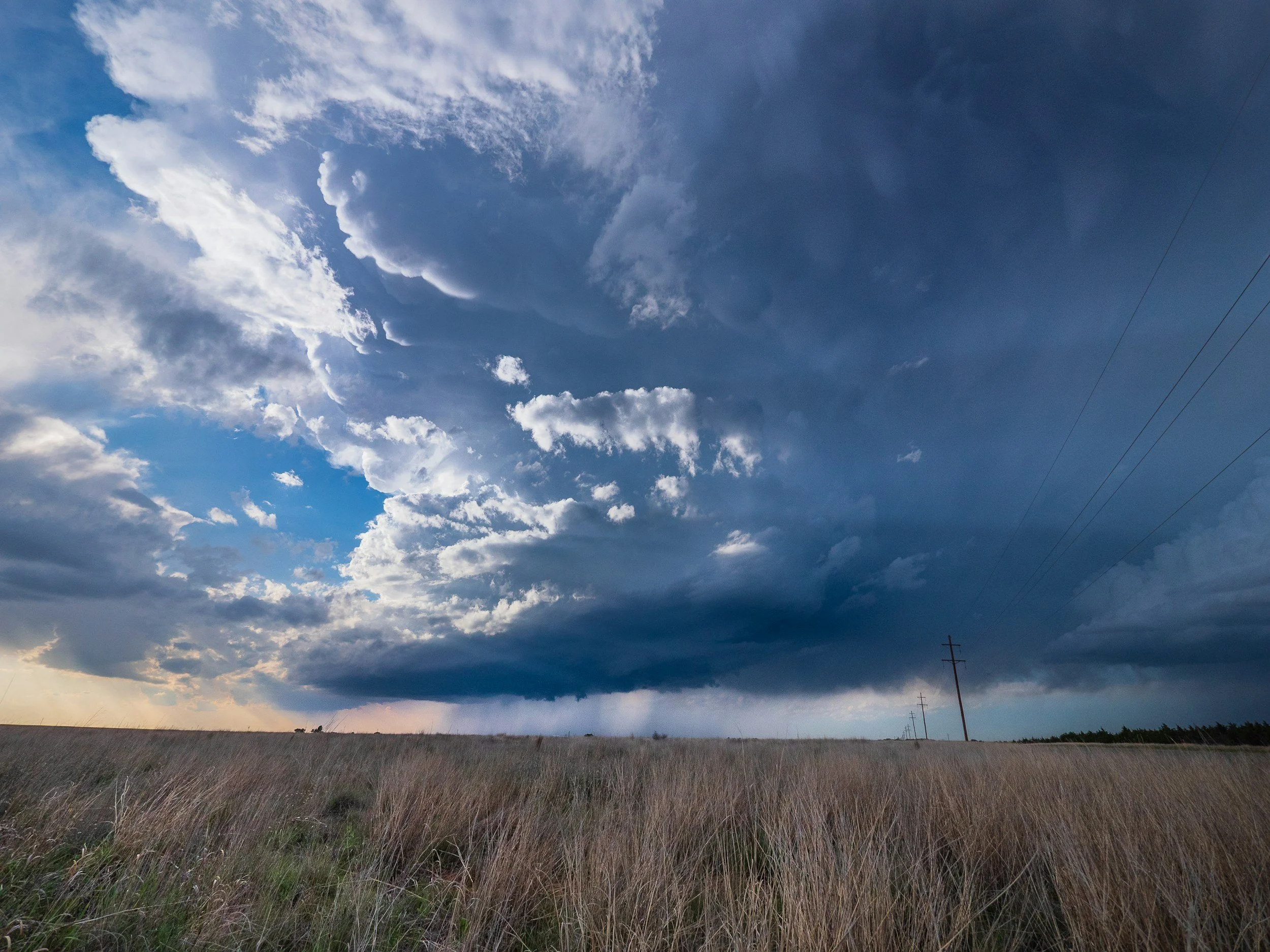
Tornado Alley is the name commonly given to a broad area of the central United States known for frequent tornado activity. Its exact boundaries are debated, but Texas has historically been one of the states most closely associated with the region.
The good news for homeowners is that standard homeowners insurance policies generally cover wind damage caused by tornadoes. That protection is especially important in North America, where the vast majority of the world's tornadoes occur.
Still, having homeowners insurance does not necessarily mean every type of storm damage is covered in the same way. Deductibles, exclusions, and coverage limits can vary from one policy to another. Some homeowners may have separate percentage-based windstorm deductibles, while certain types of water or flood damage may require different coverage altogether.
That is why it is worth reviewing your policy with your insurance agent before severe weather is on the way. Understanding your coverage now can save you from an unpleasant surprise after a storm.
If you own a home in Texas, here are some practical steps to take before, during, and after a tornado.
Before a Tornado
Trim trees around your property: Remove dead, damaged, or loose branches near your home. Strong winds can turn branches and other unsecured objects into projectiles that can break windows, damage siding, or puncture a roof.
Review your insurance coverage: Know your deductibles and understand what your policy does and does not cover. Keep a digital copy of your policy along with your insurance agent's contact information somewhere you can easily access from your phone.
Prepare an emergency kit: Put together a go-bag with first-aid supplies, flashlights, extra batteries, bottled water, non-perishable food, necessary medications, and other essentials your household may need if power or services are disrupted.
During a Tornado
Get to an interior space: Move to a small, windowless room on the lowest level of your home. An interior closet, hallway, or bathroom can provide better protection than a room with windows or exterior walls.
Protect yourself from debris: Stay away from windows, doors, and exterior walls. If available, use a mattress, heavy blankets, or another sturdy covering to help protect yourself from falling or flying debris.
Stay inside until the danger has passed: Don't head outside to look at the storm, take photos, or inspect damage while severe weather is still nearby. Wait until local emergency officials indicate that the immediate threat has passed.
After the Storm
Photograph damage before you touch anything: Before beginning temporary repairs, take clear photos and videos of the damage from several angles. This documentation can be important when you file an insurance claim.
Prevent additional damage when it is safe to do so: Make reasonable temporary repairs, such as placing a tarp over a damaged section of roof or covering a broken window. Save receipts for materials and other storm-related expenses because some of these costs may be reimbursable under your policy.
Contact your insurance agent: Report the damage as soon as reasonably possible and ask what documentation your insurer needs. Your agent can help you understand the claims process, your deductible, and what steps to take next.